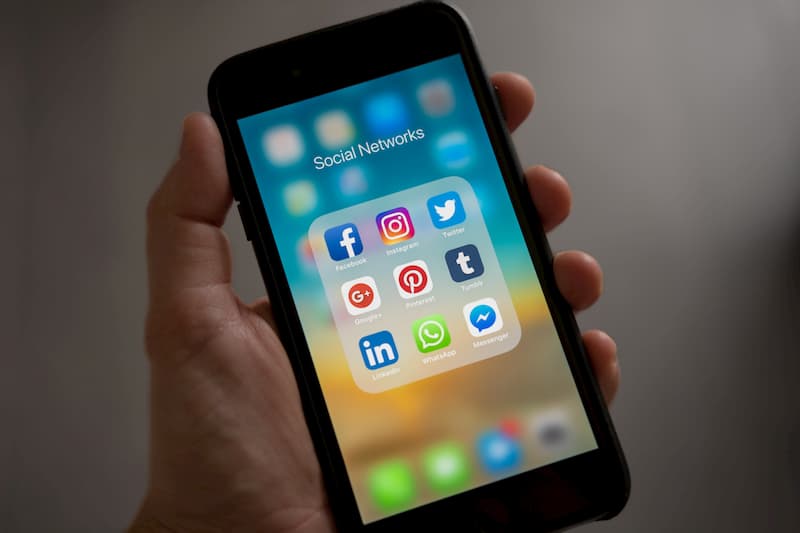
Most of us understand we need healthy companionship and connection in order to thrive, and the strength of our connections have a substantial impact on our lives. Being connected to others can ease stress, anxiety, and depression. It can increase our sense of self-worth and provide joy and comfort. Today, social media plays a huge role in how we connect to people. Now that we have unexpectedly been placed in lockdown and social distancing, social media is now playing an even larger role in our ability to stay connected. In honor of mental health awareness month, we examine social media, COVID-19, and mental health.
Social media and COVID-19
Understandably, COVID-19 is dominating the media. This is expected as we need to remain informed about everything that is going on. However, having the news constantly playing in your house can cause increased fear and anxiety. At this point, it is nearly impossible to escape news related to COVID-19, including on social media platforms.
Facebook, Twitter, and YouTube are innodated with talk of the virus, and many people are turning to these platforms in order to stay updated on the latest news and events. A recent study revealed approximately one in six Americans are using YouTube as their primary source of news.
Be aware of how social media makes you feel
Social media keeps us connected with friends and loved ones. However, be mindful of how it makes you feel. Many people report feeling sad or anxious after engaging with social media. Social media during the COVID-19 pandemic can increase fear and worry. Even though social media is meant to provide connection, ironically, spending too much time on social media can make you feel more isolated. If you have a tendency towards anxiety or sadness, be aware that too much social media can make mental health problems worse.

What drives your social media use?
If you are using social media habitually, especially in place of other things you should be doing such as work or caring for yourself in a healthy way, you need to examine what’s driving you to pick up your phone or tablet. We know that people can become addicted to their smart-phone. Reaching for your phone can become a compulsion that is difficult to control. If you are on your phone rather than engaging in face-to-face relationships or neglecting your daily duties you may be developing an addiction. Of course, during lockdown you can’t go out to meet a friend for coffee, but if you are neglecting things you know you should be doing in favor of social media, you may be developing a problem.
Social medial should not control how you feel or interfere with your activities. If you notice your emotions are tied to what’s happening or what’s not happening on social media, you need to recognize this and take steps to reduce your use. It may also be helpful to talk to someone in order to explore underlying issues that may be driving an unhealthy relationship with social media
You are not alone, many people have conflicted feelings about social media, as it can be a powerful influence in your mental health, both for good and for bad.
Jennifer Lauren Counseling
Jennifer Lauren Arceneaux, LMFT is a licensed Psychotherapist and Marriage and Family Therapist. She provides therapy in Culver City, California to couples, families, and individuals. If you would like to learn more, call and book your first appointment or fill out the contact form and click Send.